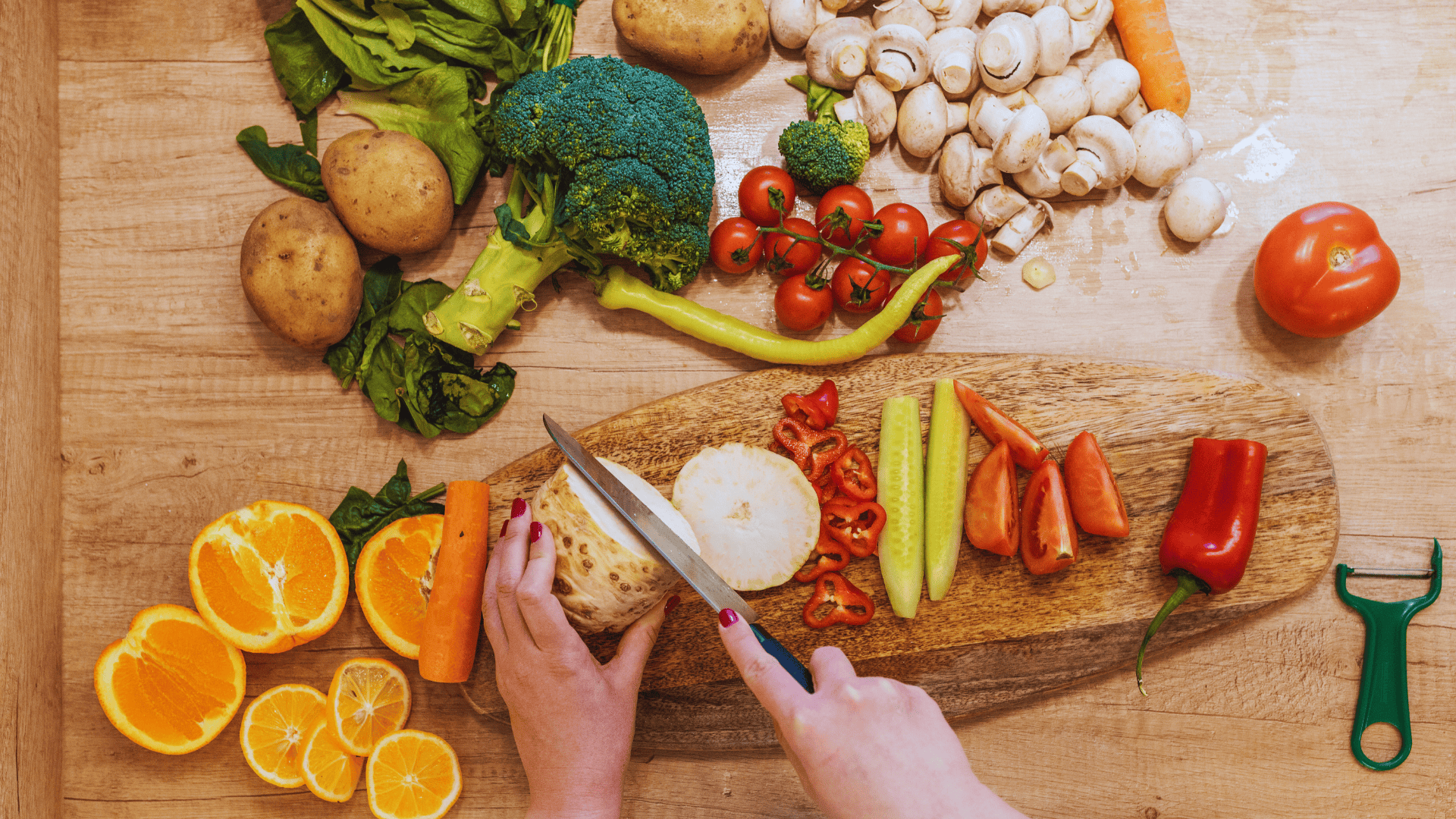
How to Reduce Food Costs with Healthy Home Cooking: Practical Tips for Budget-Friendly Meals
Eating healthy doesn’t have to break the bank. By focusing on home cooking and meal planning, individuals can significantly lower their food costs while still enjoying nutritious meals. This approach not only promotes healthier eating habits but also empowers people to take control of their diets without overspending.
Grocery store visits can often feel overwhelming, especially with rising prices and endless options. However, with a few strategic practices, like buying in bulk and preparing meals for the week, anyone can create delicious, health-conscious dishes that fit within budget constraints. This more mindful approach to cooking can lead to savings while enhancing culinary skills.
Moreover, home cooking allows for ingredient substitutions and creative recipes that cater to personal tastes and dietary needs. By making informed choices about what to purchase and how to prepare meals, individuals can enjoy both affordability and health, turning cooking from a chore into a rewarding experience.
Why Home Cooking Reduces Food Costs
Cooking at home offers substantial savings on food expenses. By preparing meals, individuals can make healthier choices while managing their food budgets efficiently.
Comparing Home-Cooked Meals vs. Dining Out
Dining out often comes with hidden costs. A single restaurant meal can range from $10 to $30 per person, not including drinks or tips. In contrast, preparing a meal at home can cost as little as $4 to $8 per serving.
Ingredients purchased for home cooking yield several meals, allowing for bulk preparation. Buying whole ingredients, such as grains, vegetables, and proteins, generally reduces the price per serving. The ability to customize portion sizes further enhances savings.
Gaining Nutritional and Financial Control at Home
Cooking at home allows individuals to choose healthier ingredients. They can avoid costly, unhealthy options often found in restaurants. For example, using fresh produce and whole grains can be significantly cheaper than processed meals frequently served outside.
Meal planning is essential for cost savings. By creating a shopping list based on planned meals, individuals can focus on necessary ingredients and avoid impulse purchases. Regular cooking increases familiarity with food prices, aiding in budget management.
The Impact of Food Prices and Trends
Food prices fluctuate due to various factors, including seasonal availability and global supply chain issues. Recent inflation trends have further strained budgets, making home cooking a financially savvy choice.
By focusing on local and seasonal produce, individuals can minimize costs. For example, buying fruits and vegetables when they are in season typically lowers prices significantly.
Staying updated on grocery store promotions can also lead to substantial savings. Utilizing loyalty programs and coupons can enhance budget-friendly meal prep.
Smart Meal Planning Strategies to Save Money
Implementing effective meal planning strategies can significantly reduce food costs while promoting healthier eating habits. By organizing meals and preparing in advance, individuals can minimize waste and make the most of their grocery budgets.
Weekly Meal Plans and Shopping Lists
Creating a weekly meal plan helps streamline grocery shopping and meal preparation. Start by selecting recipes that utilize similar ingredients. This reduces the chances of food spoilage.
A well-structured shopping list based on the meal plan ensures that purchases are intentional. Here’s a simple format for a grocery list:
- Proteins: Chicken, beans, tofu
- Grains: Rice, quinoa
- Veggies: Spinach, carrots, bell peppers
- Fruits: Apples, bananas
- Dairy or Alternatives: Yogurt, almond milk
Having a list minimizes impulse buys and can lead to more savings at checkout.
Batch Cooking and Bulk Prep Essentials
Batch cooking allows individuals to prepare large quantities of meals at once, which can then be stored for later consumption. Cooking staples such as rice, beans, and quinoa in bulk not only saves time but also money.
Utilize containers to portion meals and refrigerate or freeze them for convenience. For example:
- Cooked Rice: Use in burritos or stir-fries.
- Beans: Incorporate into salads or soups.
- Quinoa: Serve as a base for various dishes.
This approach also encourages diversity in meals without requiring excessive cooking throughout the week.
Incorporating Whole Foods and Plant-Based Proteins
Incorporating whole foods, such as whole grains, vegetables, and legumes, can be cost-effective while providing essential nutrients. Beans and lentils are versatile plant-based proteins that can easily be added to many dishes.
Whole foods tend to be less expensive than processed options. Meal planning should consider a balance of these ingredients. For instance:
- Breakfast: Oatmeal with fruits
- Lunch: Quinoa salad with chickpeas
- Dinner: Stir-fried veggies and tofu
Using whole foods can lead to healthier meals, thus reducing grocery expenses over time.
Utilizing Leftovers to Reduce Food Waste
Leftovers are an excellent way to save both food and money. Planning meals that intentionally create leftovers can allow for additional meals throughout the week.
For instance, roasted vegetables from dinner can be used in a lunchtime wrap the next day. Leftover grains, like rice or quinoa, can become part of a salad or stir-fry.
To maximize this strategy:
- Store leftovers in clear containers to encourage consumption.
- Label meals with dates to keep track of freshness.
Being mindful of leftovers can significantly reduce food waste and extend the value of grocery purchases.
Shopping Smart for Healthy and Budget-Friendly Ingredients
Making informed choices when shopping can significantly lower food costs while ensuring a healthy diet. Focusing on bulk purchasing, utilizing coupons, selecting seasonal produce, and opting for generic brands can lead to substantial savings.
Buying in Bulk and Leveraging Coupons
Buying in bulk is an effective strategy for reducing food expenses. Many stores offer discounts on larger quantities. This can be particularly beneficial for items like grains, legumes, and nuts.
Using coupons can further enhance these savings. Shoppers can find coupons in local newspapers, store apps, or websites. Some stores also offer loyalty programs, providing additional discounts. Combining bulk purchases with these coupons maximizes savings, making it easier to stick to a healthy diet without overspending.
Selecting Seasonal Fruits and Vegetables
Purchasing seasonal fruits and vegetables often leads to lower prices and higher freshness. Foods that are in season are typically harvested at their peak, resulting in better flavor and nutrition.
For example, strawberries in summer or squash in autumn are usually cheaper and more abundant. Shoppers can research local growing seasons to plan their meals accordingly. Buying in season not only saves money but also supports local farmers, which can be beneficial for the community.
Choosing Generic Brands and Market Deals
Generic brands often provide the same quality as name brands at a fraction of the cost. Many supermarkets carry their own brand, which can be perfect for staples like rice, canned goods, and dairy products.
Additionally, shoppers should keep an eye out for market deals. Some stores have discounts for items nearing their sell-by date, especially perishable goods. It’s possible to find high-quality products at reduced prices. Embracing these options can lead to healthier meals while minimizing expenses.
Reducing Food Waste and Maximizing Value in the Kitchen
Effective kitchen management can significantly reduce food waste and enhance value. Proper food storage, creative use of leftovers, and smart freezing techniques all contribute to a more efficient and economical cooking experience.
Storing Food Properly to Extend Freshness
Proper storage techniques can extend the freshness of fruits, vegetables, and other perishables. Utilizing airtight containers and understanding optimal temperature settings in the refrigerator are key factors.
For example, fruits like apples and bananas should be stored separately to prevent premature ripening. Leafy greens benefit from being wrapped in damp paper towels before placing them in plastic bags, which helps retain moisture.
A simple labeling system can also help track the age of stored items. It ensures that older products are used first, minimizing waste.
Creative Uses for Leftovers and Surplus Ingredients
Transforming leftovers into new meals is a practical way to maximize value. Simple recipes can turn yesterday’s roast into a hearty soup or stir-fry.
Incorporating surplus ingredients into breakfast dishes, such as using vegetables in omelets or smoothies, can create nutritious meals without additional cost.
Many ingredients can serve multiple purposes. For instance, leftover rice can be repurposed into fried rice or used in salads. Making a habit of checking the pantry and refrigerator before shopping helps reduce unnecessary purchases.
Freezing and Repurposing Foods
Freezing is an effective method to keep food fresh for longer periods. Many fruits and vegetables freeze well, preserving their nutritional value while preventing spoilage.
Portioning meals and freezing them can also simplify meal prep. Batch cooking allows for efficient use of ingredients, enabling individuals to make large quantities of meals that can be frozen and reheated as needed.
Additionally, repurposing food scraps, such as vegetable peels for stock or stale bread for croutons, greatly reduces waste while adding flavor to dishes. These techniques maximize food utilization and lower overall grocery costs.