
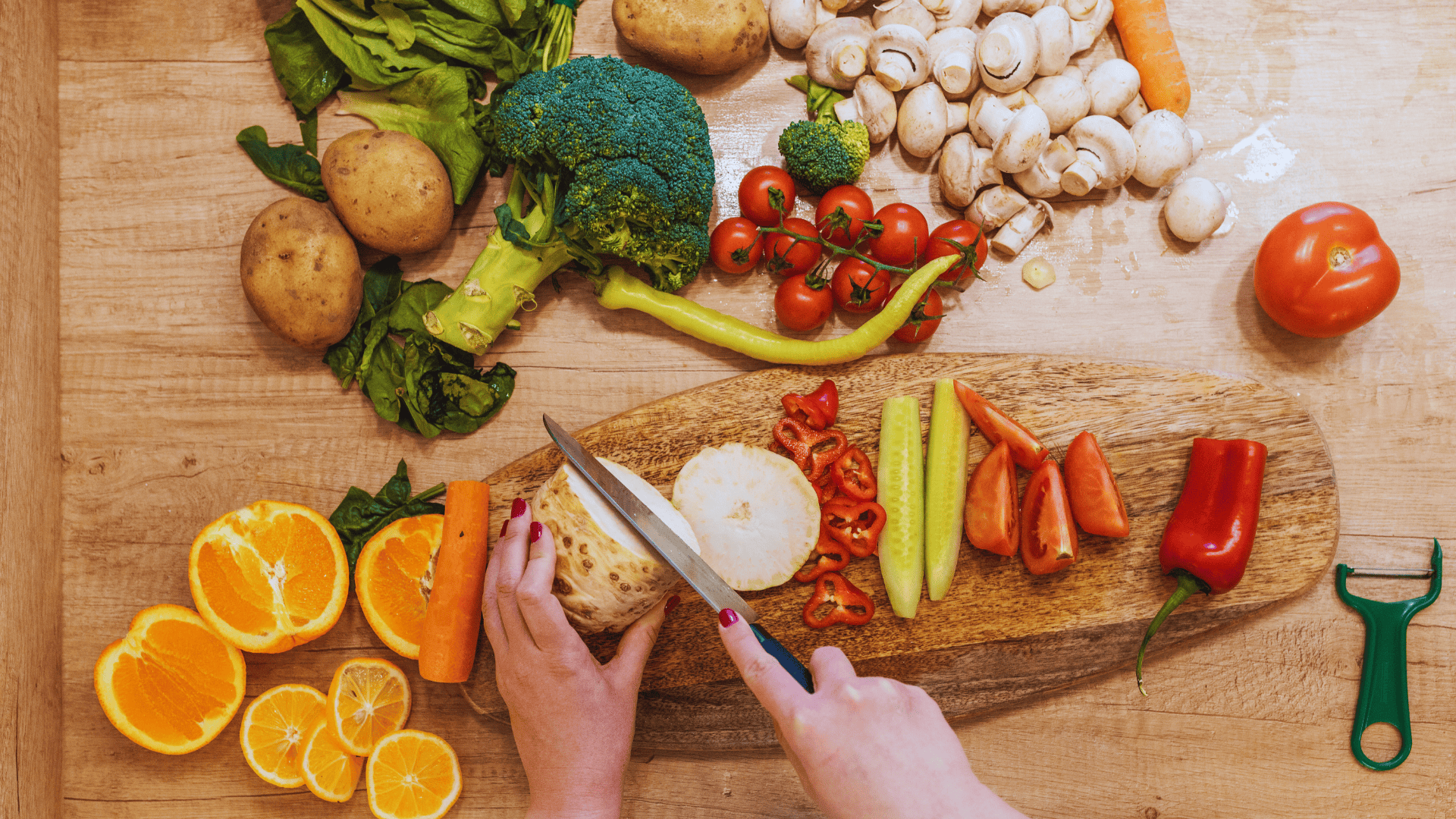
How to Meal Prep Without Breaking the Bank: Affordable Tips for Healthy Eating
Meal prepping can seem daunting, especially when trying to stick to a budget. With the right strategies, it is entirely possible to prepare nutritious and delicious meals without overspending. By planning ahead and making smart shopping choices, anyone can enjoy the benefits of meal prep while keeping costs in check.
Thinking creatively about ingredients can lead to significant savings. Utilizing seasonal produce, buying in bulk, and incorporating versatile items can stretch a budget further. Meal prep doesn’t have to mean sacrificing quality or flavor; it’s about making informed choices and maximizing resources.
Developing a meal prep routine can lead to healthier eating habits and reduced stress during the week. With simple techniques and a little planning, meal prepping becomes an accessible and economical way to enjoy wholesome meals at home.
Essential Strategies for Budget Meal Prep
Effective meal prep can save money and reduce waste. By implementing strategic planning and organization, one can make nutritious meals without overspending.
Plan a Weekly Meal Schedule
Creating a weekly meal schedule is essential for budget meal planning. It allows for better organization and reduces the chances of impulse purchases.
Start by choosing recipes that share similar ingredients. This minimizes waste and maximizes value. For instance, if a recipe uses spinach, consider other dishes that include spinach to ensure it’s fully consumed.
Include meal variety to keep things interesting. Allocate meals for breakfast, lunch, and dinner while factoring in snacks. Aim for a mix of proteins, grains, and vegetables to ensure balanced nutrition.
Create a Smart Shopping List
Developing a smart shopping list is crucial for sticking to a budget. Begin by listing all ingredients needed based on the weekly meal plan.
Organize the list by categories: produce, proteins, grains, and pantry items. This streamlines the shopping experience and reduces the likelihood of buying unnecessary items.
Utilize sales and coupons to find deals on frequently used products. Filling the list with cost-effective items while distinguishing between wants and needs can significantly lower grocery bills.
Take Inventory and Use What You Have
Taking inventory of existing pantry items is a valuable step in budget meal prep. Before planning meals, check what ingredients are already available.
Look for expiry dates and prioritize using items that are close to going bad. This practice reduces waste and often leads to creative meal solutions.
Incorporating leftover ingredients into new meals can also help stretch a budget. For instance, using leftover chicken in salads or wraps can create diverse meal options while minimizing costs.
Shopping Tips for Affordable Ingredients
Finding affordable ingredients requires strategic shopping practices. Knowing where to look and what to buy can lead to significant savings, allowing for enjoyable meal prep without overspending.
Buy Staple Foods in Bulk
Buying staple foods in bulk can result in considerable savings. Items such as rice, oats, beans, and flour often come at lower prices per unit when purchased in larger quantities.
Tips for Bulk Buying:
- Look for bulk bins at local grocery stores or health food shops.
- Check online for bulk food retailers.
- Ensure items have a long shelf life, reducing the risk of spoilage.
Consider splitting bulk purchases with friends or family. This way, the cost is shared, and less food goes to waste.
Choose Store-Brand Products
Store-brand products frequently provide similar quality to name-brand items at a lower price. Many supermarkets offer their own labels, which often include a wide range of products from snacks to dairy.
Advantages of Store Brands:
- Comparable quality: Many store brands use the same manufacturers as name brands.
- Reduced prices: Store brands generally focus on affordability, maximizing savings.
When shopping, consumers should evaluate the ingredients and nutritional information. In many cases, the differences between store brands and name brands are minimal.
Prioritize Seasonal and Frozen Produce
Seasonal produce is often more affordable due to increased availability. Fruits and vegetables in season typically have a lower price point, as they do not incur additional shipping costs.
Benefits of Seasonal and Frozen Produce:
- Flavor: Seasonal fruits and vegetables are fresher and taste better.
- Convenience: Frozen produce can be stored for extended periods without spoiling.
Making a habit of checking local farmers’ markets can yield fresh, local produce at competitive rates. Frozen fruits and vegetables make meal prep easy and affordable while retaining nutritional value.
Easy and Nutritious Budget-Friendly Meals
Preparing nutritious meals on a budget is achievable with smart planning and simple ingredients. Focusing on straightforward recipes and utilizing leftovers can create cost-effective and satisfying options.
Simple Recipes with Minimal Ingredients
Budget-friendly meals don’t need to be complicated. Recipes with fewer ingredients cut costs and save time. For instance, a basic lentil soup requires:
- 1 cup lentils
- 1 onion, diced
- 2 carrots, chopped
- 4 cups vegetable broth
- Season to taste with salt and pepper
Cook all ingredients in a pot until the lentils are tender. This provides a nutritious, filling meal that easily lasts for multiple servings.
Another simple option is overnight oats, which involves:
- ½ cup oats
- 1 cup milk or a milk alternative
- Optional toppings: fruits, nuts, or honey
Mix ingredients in a jar, refrigerate overnight, and breakfast is ready the next morning.
Batch Cooking and Using Leftovers
Batch cooking optimizes time and resources, allowing the preparation of several meals at once. Cooking brown rice or quinoa in larger batches can serve as a base for multiple dishes throughout the week.
Leftovers can be creatively repurposed. For example, leftover roasted chicken thighs can be shredded and added to salads or wraps. Soups can incorporate any extra vegetables or proteins to prevent waste.
A simple strategy is to designate one day a week for meal prep, ensuring ready-to-eat, nutritious meals during busy weekdays.
Incorporating Beans, Grains, and Affordable Proteins
Beans and grains are excellent, budget-friendly additions that provide protein and fiber. They serve as the backbone for many meals. Options like black beans, chickpeas, or lentils can be used in salads, tacos, or mixed with rice.
Combining legumes with grains enhances their protein profile. A classic dish is rice and beans, providing all essential amino acids.
Including eggs is another economical protein source. They can be hard-boiled for snacks, scrambled for breakfast, or used in frittatas with leftover vegetables.
Tasty Meatless and One-Pot Meal Ideas
Meatless meals save money without sacrificing flavor. A vegetable stir-fry can quickly highlight seasonal veggies and be served over rice or quinoa.
One-pot meals simplify cooking and cleanup. A chickpea curry can be made by simmering:
- 1 can chickpeas
- 1 can coconut milk
- 2 cups spinach
- Spices: curry powder, garlic, ginger
Served over brown rice or quinoa, it becomes a hearty and nourishing dish.
All these ideas convey that nutritious eating on a budget is not only possible but also enjoyable.
Maximizing Savings and Reducing Food Waste
Effective meal prepping can significantly cut food costs and minimize waste. This section discusses practical approaches to maximize savings while ensuring that food does not go to waste.
Repurpose Leftovers for New Meals
Leftovers can be transformed into new dishes, extending their value. For instance, extra roasted vegetables can become a stir-fry or an omelet.
Ideas for repurposing include:
- Soups: Combine leftover proteins and veggies with broth.
- Salads: Add cold grains and meats to greens for a quick lunch.
- Casseroles: Mix remaining ingredients and bake for an easy dinner.
By thinking creatively, it’s possible to reduce food waste while creating delicious meals.
Use Reusable Containers and Freeze Meals
Investing in quality reusable containers aids in efficient meal storage. Glass or BPA-free plastic containers can help organize meals, keeping them fresh longer.
Freezing meals can lead to significant cost savings.
Steps for effective freezing:
- Cool meals completely before packing.
- Label containers with contents and dates for easy tracking.
- Choose freezer-friendly recipes that maintain flavor and texture.
This strategy allows for quick meal access while minimizing spoilage.
Control Portions and Reduce Waste
Portion control is crucial in meal prepping. It ensures that meals are consumed before they spoil and helps maintain a balanced diet.
Using scales or measuring cups can assist in determining the right serving sizes.
Tips for portion control include:
- Plan meals in advance to match dietary needs.
- Store servings in individual containers, making meals easy to grab and go.
- Adjust portions based on past consumption patterns.
Controlling portions not only aids in reducing waste but also helps in budgeting by minimizing excess food purchases.


